
New AI-powered apps and gadgets are built for older adults at home.
10/26/2026
Seniors who receive care at home look ready to talk to machines.
10/23/2026
The reality feels more like a high-tech band-aid on a profoundly human problem.
09/30/2026
Adults aged 50+, however, did not share this assertion.
09/22/2026
Policy recommendations for addressing weaknesses in AI and how government is deferring to companies.
 What changes in care technology will be different later in this decade? Consider the implications of adoption of sensors to deliver and improve the care of older adults -- then look forward five years. What will be different in this second technology wave, both from today and from the market a decade ago? Is this optimism justified? Does the shortage of labor to serve the aging population make sensor technology essential in delivering care? Many of the interviewees for this new report, due out in November, 2022, think that innovation in offerings, caregiving labor shortages, and a swelling demographic aged 80+ all combine to boost both utility and adoption across all care sectors. What specifically might be different?

 Picking on Apple because they are there, but of course they are not unique. What’s new with
 Digital literacy – what is it?
 Context matters: consider the likely status of people in 10 years. It makes you think. Asked this question recently and pondered. What will be the context at that time? A decade from now, the oldest baby boomers will be 86.
 Sensor technology is increasingly useful in the care of older adults. As part of the research into the
 The biggest older adult tech news from August was audible.
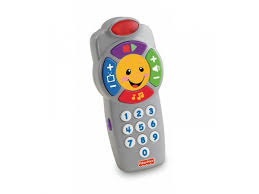 In recent years, TV Remote control devices became more usable – except for Apple’s. Rant on. Starting with the older one (“
