
New AI-powered apps and gadgets are built for older adults at home.
10/26/2026
Seniors who receive care at home look ready to talk to machines.
10/23/2026
The reality feels more like a high-tech band-aid on a profoundly human problem.
09/30/2026
Adults aged 50+, however, did not share this assertion.
09/22/2026
Policy recommendations for addressing weaknesses in AI and how government is deferring to companies.
 So much happened in 2021 that should benefit older adults.
 For tech and older adults, the year 2021 was pivotal. It was the year of age-tech gaining AARP visibility as
 2021 – even less travel than previous – so for many, it was the best of times. Not just for Zoom,
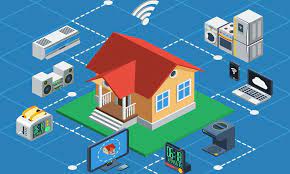 Within five years, predictive, proactive and adaptive smart home solutions that support health and wellbeing, comfort and safety, and engagement and entertainment will emerge to meet the needs of older adults, including subscription-based services that are integrated with wearables. Remote configuration and updates will be standard, and health insurers will be interested in smart home technology as a deterrent to hospitalization. With the addition of predictive analytics and machine learning, the home can become a participating caregiver for the oldest and frailest. What are a few of the trends that will make that feasible?
 Tech for an aging population – niche or not. November is done. But recent announcements about
 Age-Tech is in. Perhaps you have seen the Age-Tech term pop up since early 2020, led in the US by by
 Smart home technologies are not part of the home care solution set.
 What is a Smart Home? Should it be Connected?
 Smart home, plugged in but not connected. Consider the Boston Consulting Group’s 2018 market sizing and landscape
 It's 2021 -- are older adults well-served by technology? Some progress has been made --
