
Adults aged 50+, however, did not share this assertion.
09/22/2026
Policy recommendations for addressing weaknesses in AI and how government is deferring to companies.
09/10/2026
CDC says average 65 year old retiree will reach 85, challenging retirement planning assumptions.
09/10/2026
Why senior living's first attempt at using robots was a flop.
09/10/2026
Adding flourishing to Lifespan and Health span.
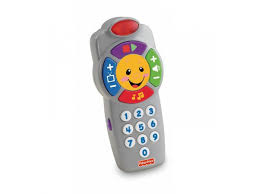 In recent years, TV Remote control devices became more usable – except for Apple’s. Rant on. Starting with the older one (“
 Yesterday was a big day that should have happened several years ago. Finally.
  The Census knows the growth and potential explosion of care needs and older adults. Consider
  Some might say that sensor technology for older adults is nothing new. What’s the big deal? Remote monitoring products and services built with sensors have been around for decades.
  There is a labor shortage everywhere -- ditto in senior care. We know that one of the biggest issues in senior living (and home care, nursing homes, home health care) today is a shortage of labor. This
  Design still needs to include older adults.
  The
The  Are you starting to notice a pattern, so to speak? There seems to be a growing number of tech offerings that can see, sense, detect, and learn about behavioral patterns as part of new tools for older adults and their caregivers. Changes like these and others in this space will be addressed in a new report launching this month: "The Future of Sensors and Predictive Analytics for Older Adults." In the meantime, here are eight new offerings in the market that are designed to improve wellbeing and care. All text is drawn from the websites of the companies -- they are presented here in alphabetical order.